
Joint Pain Ayurveda
Healing at the Root
Ayurveda does not suppress joint pain it identifies what has gone out of balance in your body and restores it.
Root-Cause Relief for Joint Pain
Modern medicine manages joint pain. Ayurveda resolves its origin.
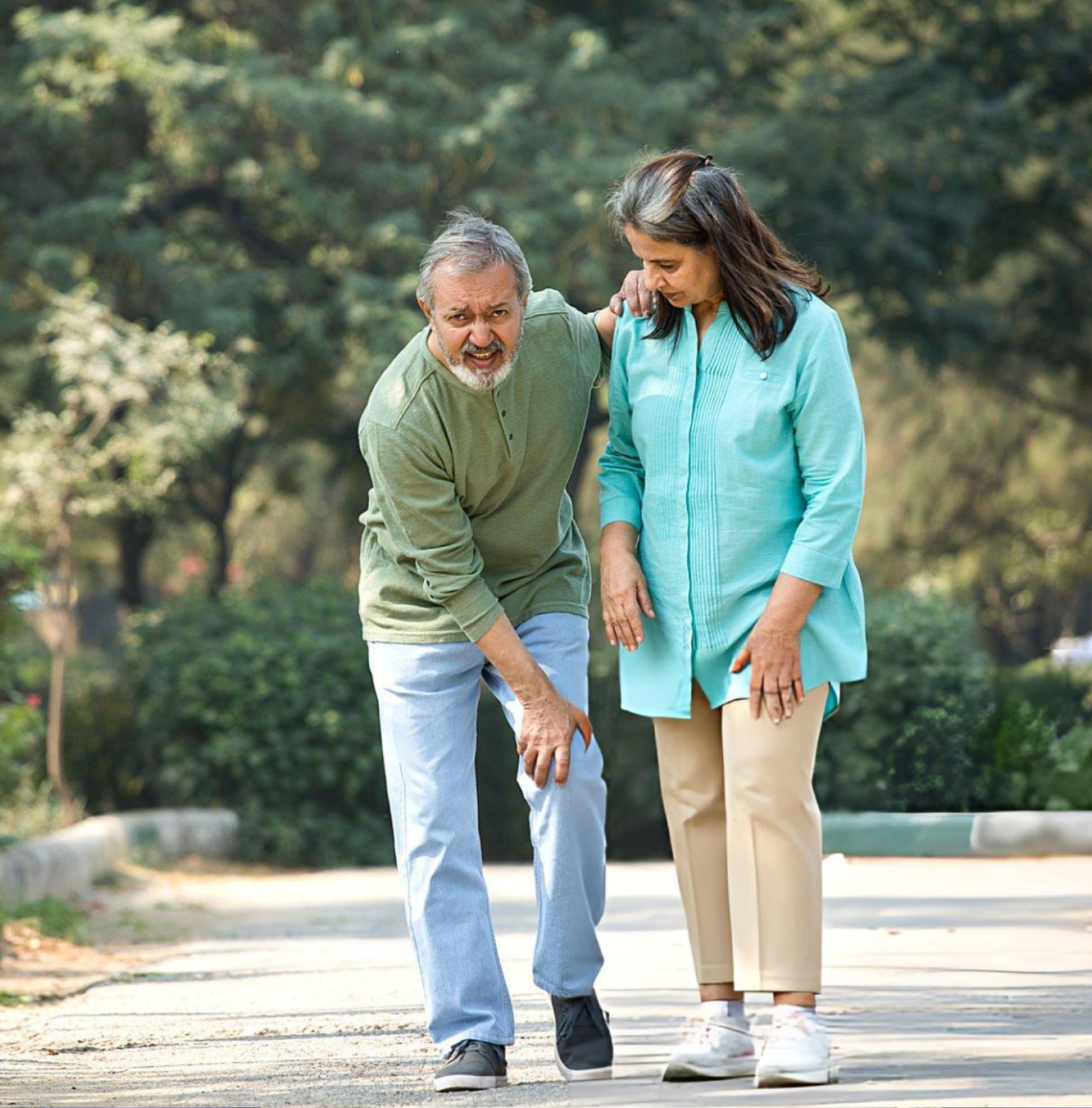
Joint pain is one of the most common health complaints worldwide. Whether it appears as stiffness in the morning, aching knees after a walk, or swollen joints that limit daily movement, the discomfort can quietly erode quality of life. Modern medicine typically manages joint pain through painkillers and anti-inflammatory drugs effective in the short term, but often insufficient for the deeper, chronic conditions that drive the problem.
Ayurveda takes a fundamentally different approach. Joint pain Ayurveda treatment does not simply suppress the symptom. Instead, it identifies the underlying imbalance in the body that has allowed the condition to develop, and works to correct it through personalised therapies, herbal medicines, dietary changes, and lifestyle practices. The result is not just temporary relief but a genuine restoration of joint health and mobility.
Understanding Joint Pain Through Doshas
In Ayurveda, the human body is governed by three fundamental energies known as doshas Vata, Pitta, and Kapha. Each dosha corresponds to specific physiological and psychological functions, and most health conditions arise when one or more of these become imbalanced. Joint pain, in Ayurvedic understanding, is most commonly associated with an aggravated Vata dosha. Vata governs movement, dryness, and the nervous system. When it becomes elevated through poor diet, irregular routine, cold exposure, stress, or ageing it disturbs the joints by depleting their natural lubrication (known as Shleshaka Kapha) and creating dryness, stiffness, and pain.
Two Primary Ayurvedic Joint Conditions:

Osteoarthritis equivalent
Sandhivata
The Ayurvedic equivalent of osteoarthritis. Caused by Vata aggravation and depletion of the joint fluid, it presents as crackling sounds in the joints, stiffness, and pain that worsens in cold weather or with overuse.
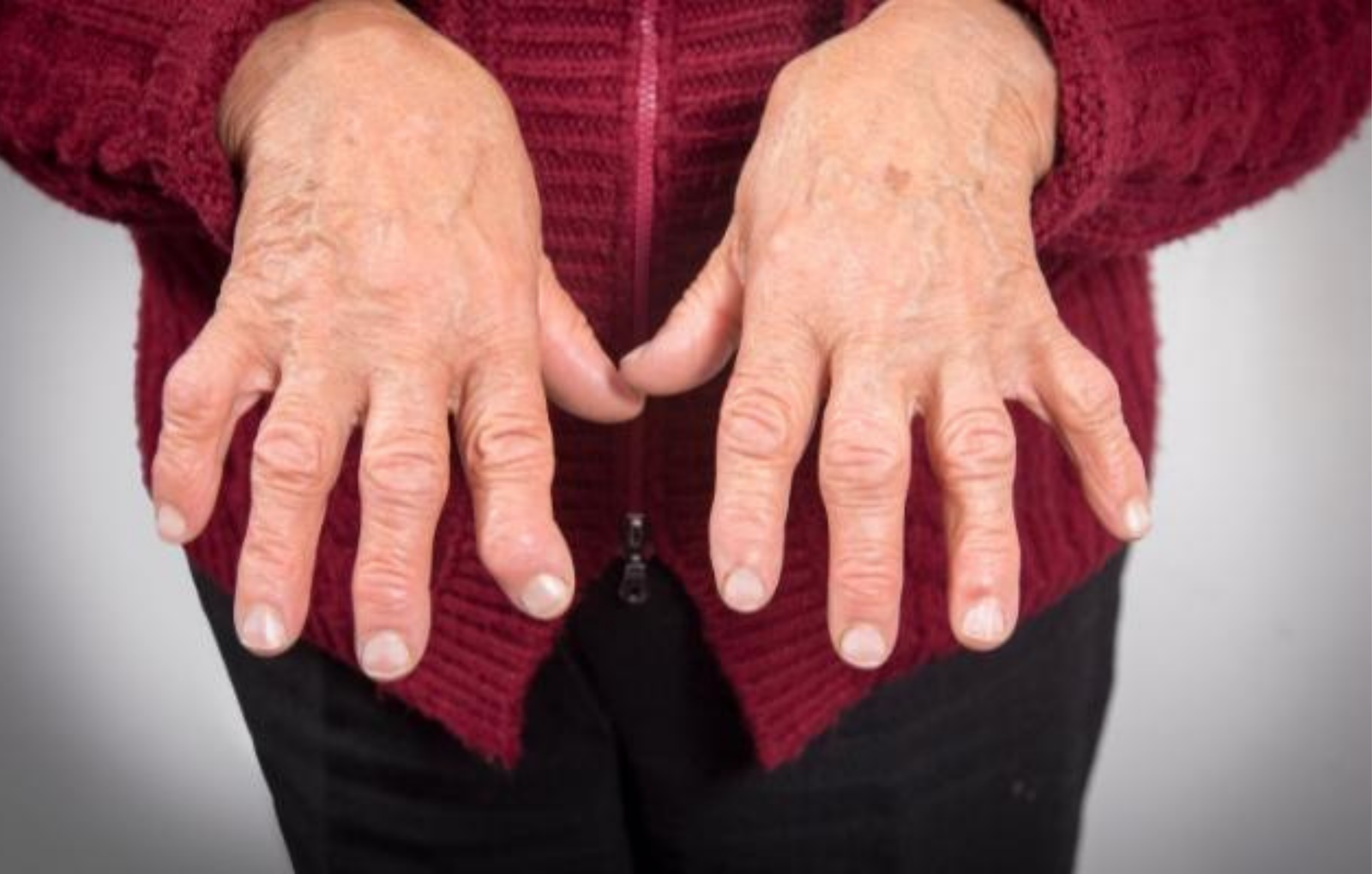
Rheumatoid arthritis equivalent
Amavata
Closely resembling rheumatoid arthritis. This condition arises when Ama (undigested toxins produced by poor digestion) accumulates in the body and lodges in the joints alongside aggravated Vata. It causes swelling, tenderness, and often systemic inflammation.
Common Causes of Joint Pain According to Ayurveda
Ayurveda identifies several lifestyle and dietary factors that aggravate Vata and contribute to joint deterioration:
- Irregular or inadequate sleep
- Suppression of natural urges (such as delayed meals)
- Accumulation of Ama (digestive toxins) from poor gut function
- Consumption of cold, dry, and processed foods
- Ageing, which naturally elevates Vata
- Sedentary lifestyle or excessive physical strain
- Exposure to cold and damp environments
- Chronic stress and emotional disturbance
Ayurvedic Herbs for Joint Pain
Ayurveda has a rich pharmacopoeia of herbs used for centuries to reduce inflammation, lubricate joints, and rebuild connective tissue. Some of the most widely used and well-regarded include:
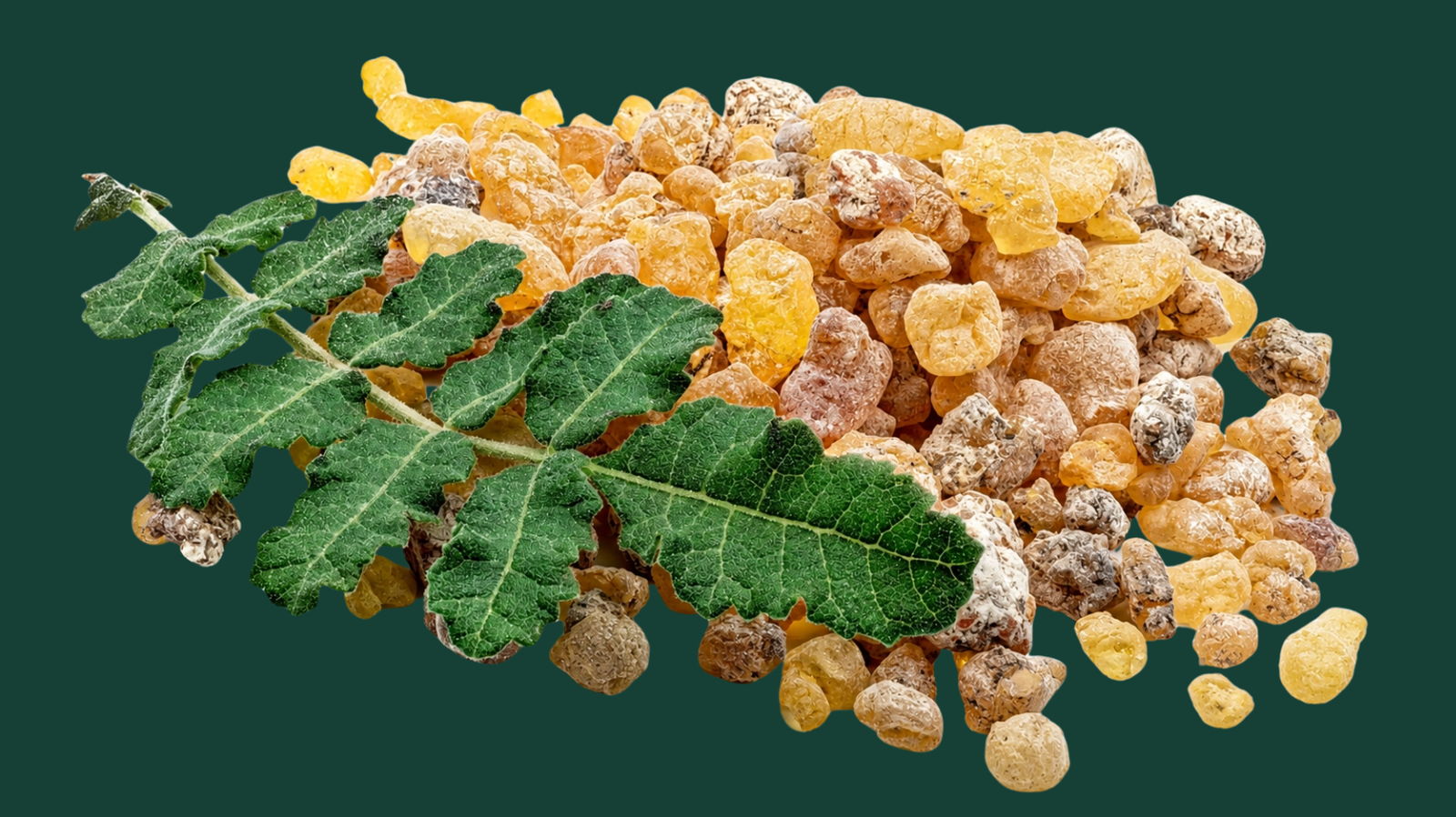
Shallaki (Boswellia serrata)
Often called Indian frankincense, Shallaki is one of the most potent Ayurvedic herbs for joint pain. It works by inhibiting inflammatory pathways and improving blood supply to the joint tissues. It is particularly effective in cases involving chronic inflammation and cartilage degeneration.
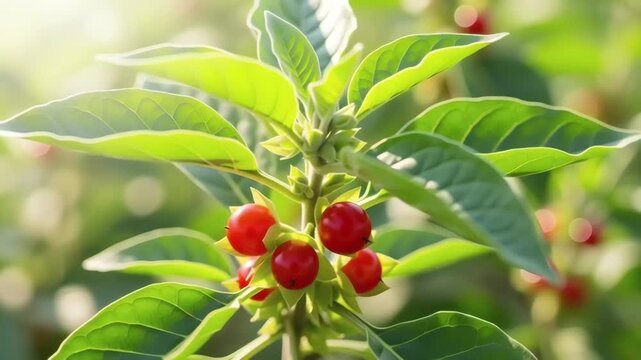
Ashwagandha (Withania somnifera)
A powerful adaptogen, Ashwagandha reduces inflammation, supports muscle and joint recovery, and helps the body manage the stress responses that often worsen joint pain. It is regularly prescribed for both Sandhivata and Amavata.
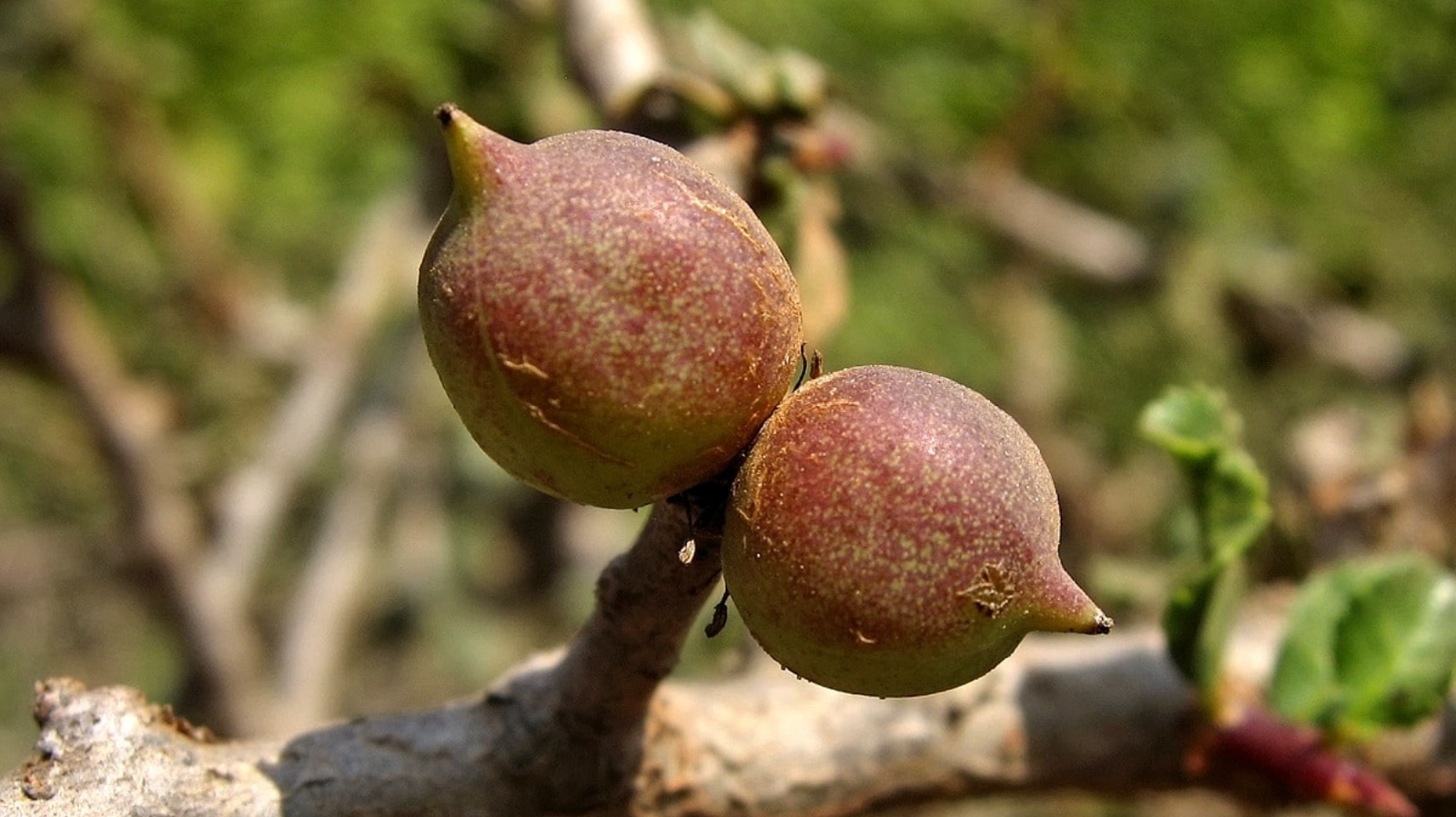
Guggulu (Commiphora mukul)
Guggulu is a resin with remarkable anti-inflammatory and detoxifying properties. Often used in formulations such as Yogaraja Guggulu and Simhanada Guggulu, it helps eliminate Ama from the joints and reduce swelling and stiffness.
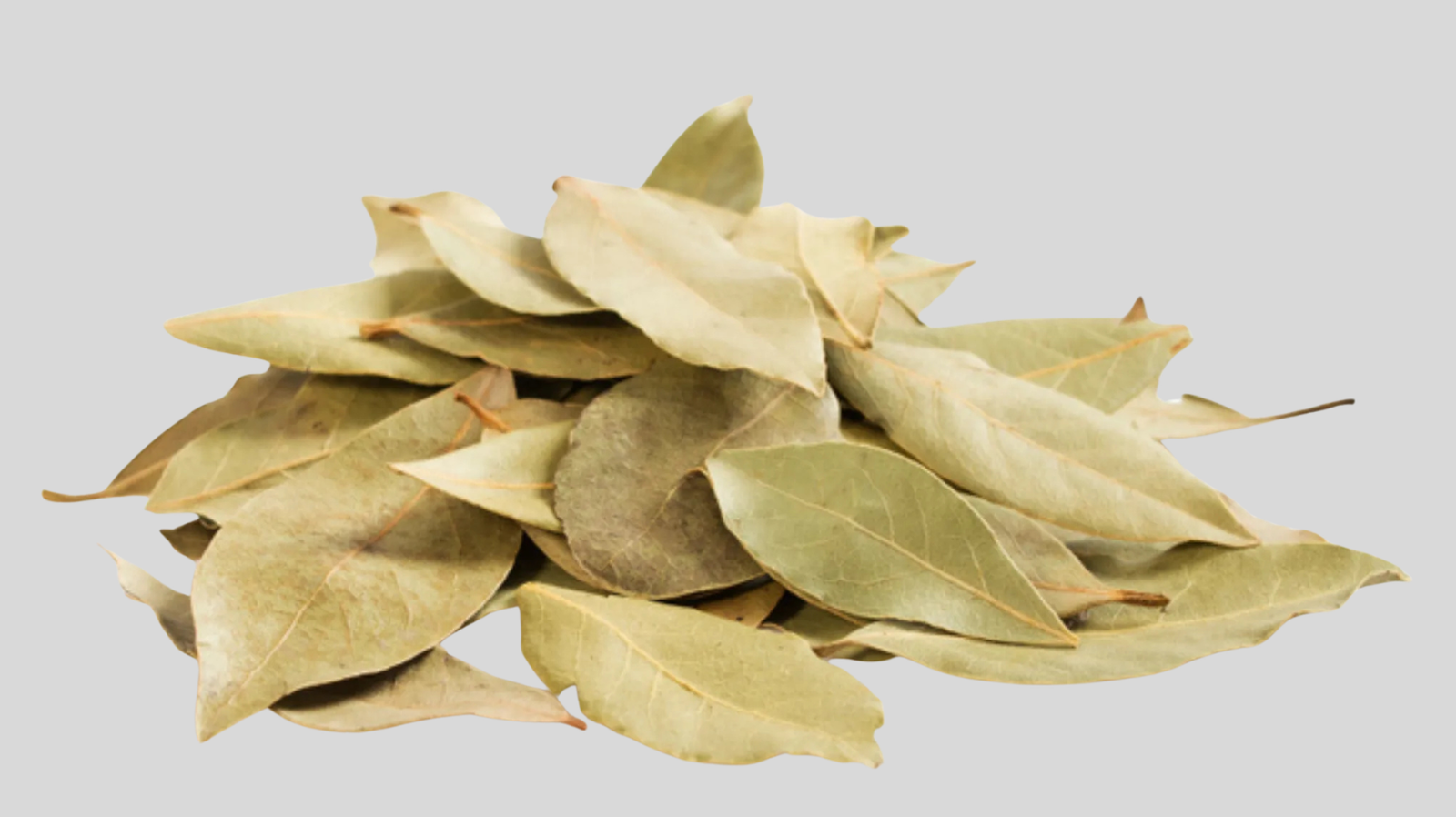
Rasna (Pluchea lanceolata)
Rasna is a classical Vata-pacifying herb, well-known for its ability to reduce joint pain, stiffness, and inflammation. It features prominently in many traditional joint care formulations.
Ayurvedic Therapies for Joint Pain
The therapeutic dimension of joint pain Ayurveda treatment is where the tradition truly distinguishes itself. Several specialised external therapies directly address joint tissues, improve circulation, reduce inflammation, and restore lubrication.
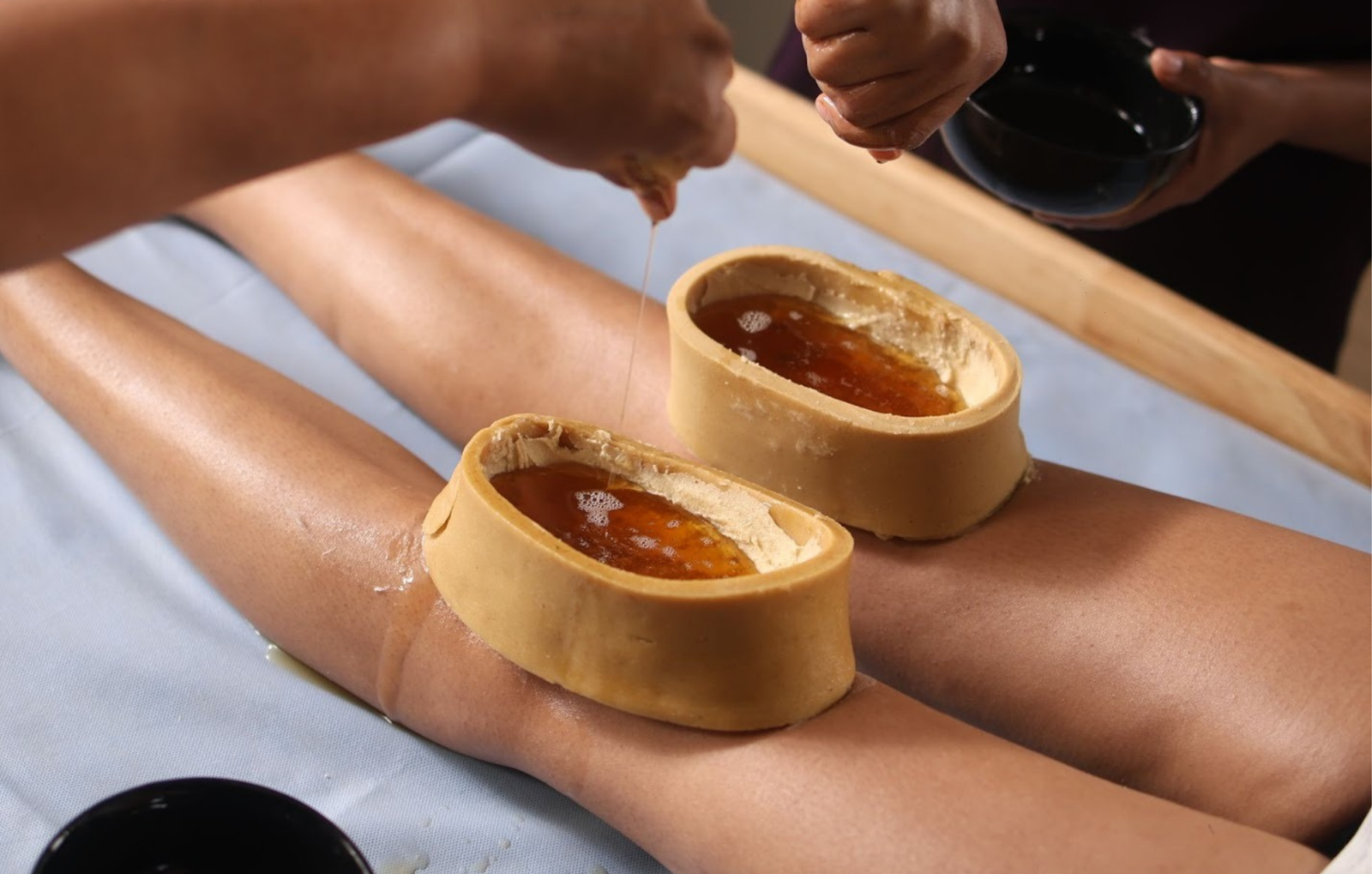
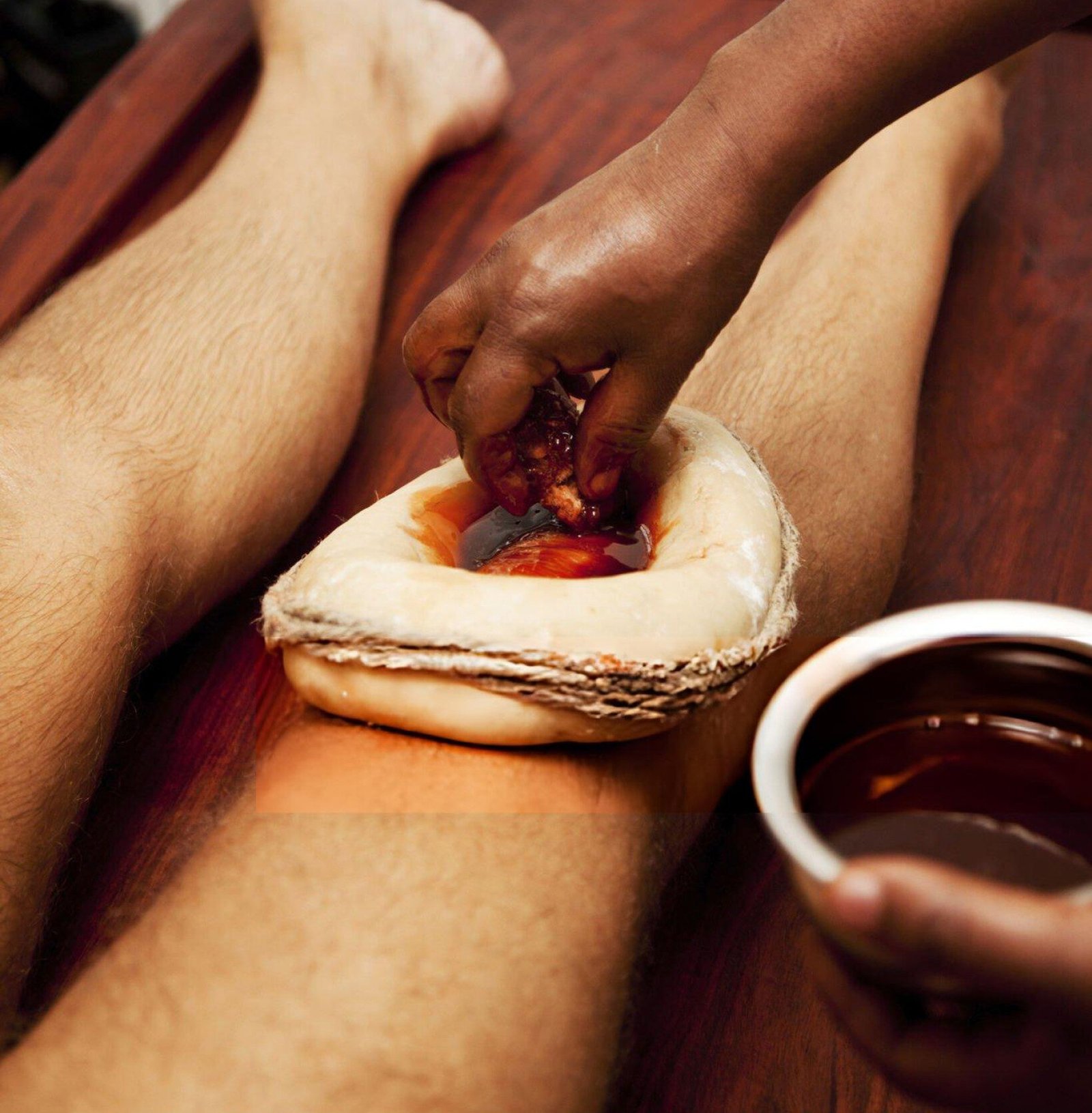
Janu Basti
A highly targeted treatment for knee pain. Warm medicated oil is retained within a dough ring placed around the knee joint for a set period. The oil deeply penetrates the tissues, relieves stiffness, nourishes the cartilage, and reduces pain. Janu Basti is widely recommended for osteoarthritis of the knee and sports-related knee injuries. At our Ayurvedic center, Janu Basti is performed under the supervision of experienced therapists using authentic herbal oils prepared according to traditional Ayurvedic principles. Each session is customized to suit the patient’s specific health condition, ensuring maximum therapeutic benefits and long-lasting relief from knee-related ailments.
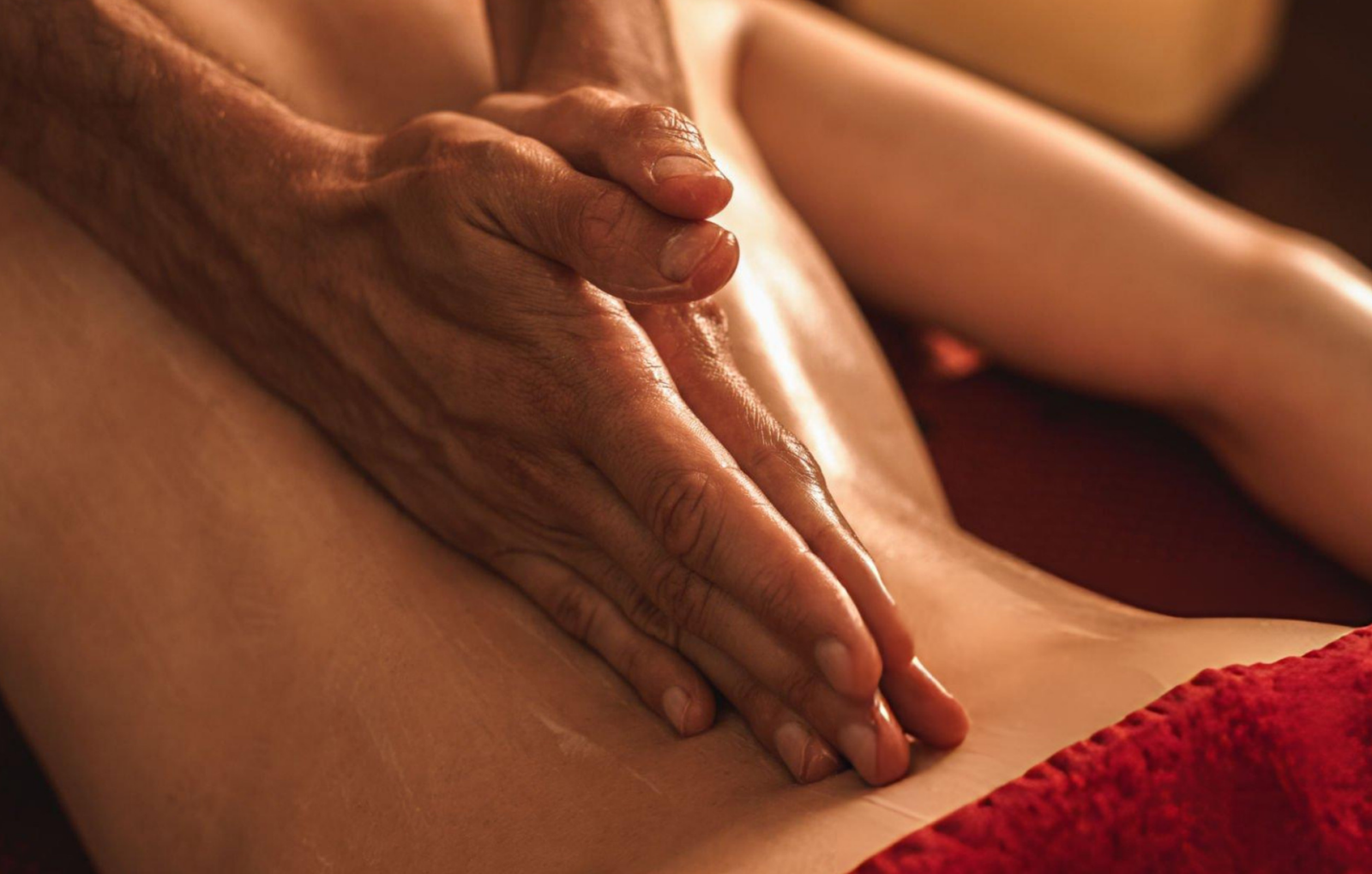
Abhyanga (Ayurvedic Oil Massage)
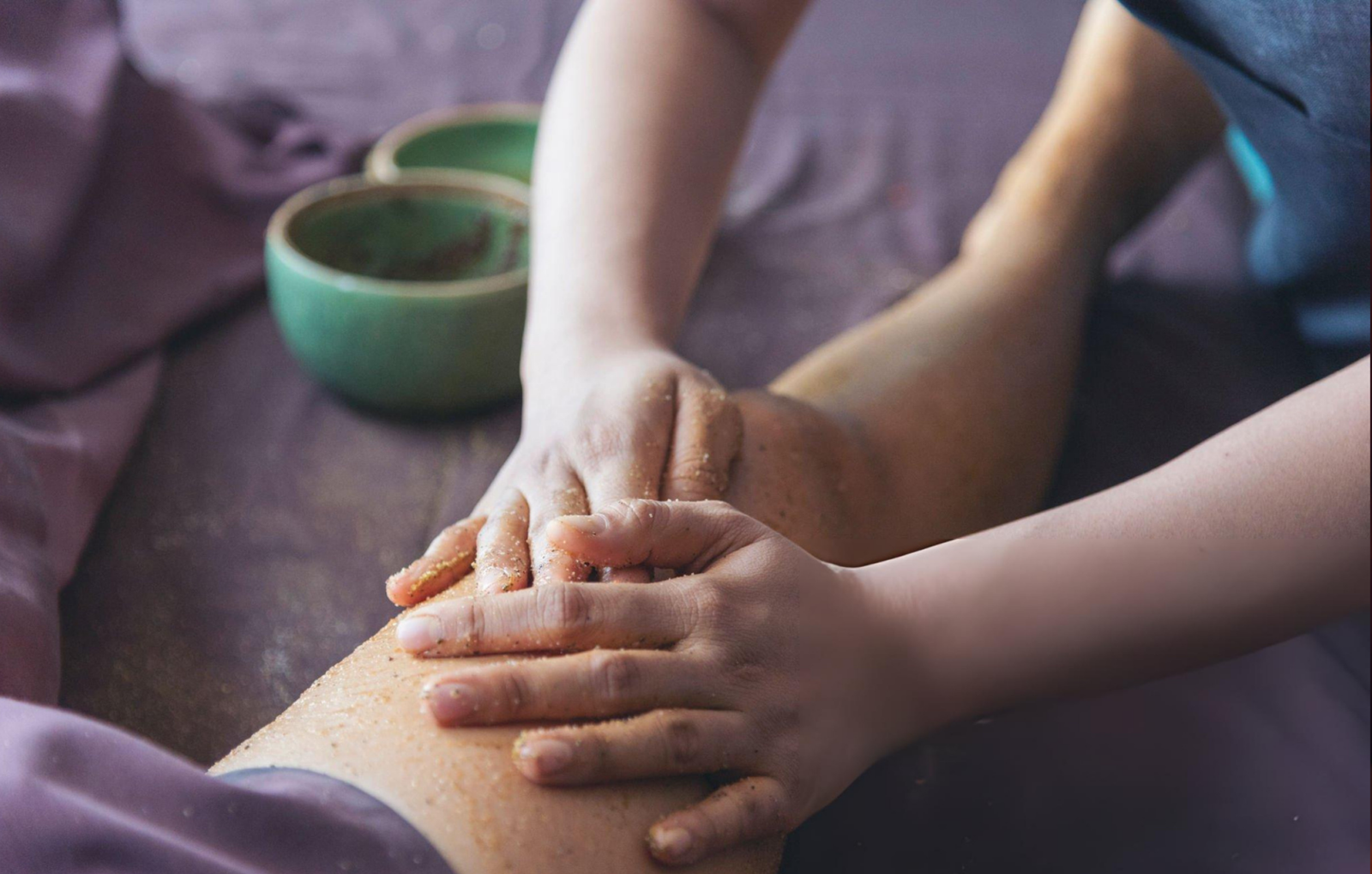
A full-body warm oil massage performed with specifically selected medicated oils. Regular Abhyanga pacifies Vata, improves circulation throughout the body, relieves muscular tension around affected joints, and enhances the natural lubrication of joint tissues. At our Ayurvedic center, Abhyanga is performed by experienced therapists using authentic herbal oils prepared according to classical Ayurvedic formulations. Each treatment is customized to the individual’s health condition and therapeutic needs, ensuring a safe, relaxing, and deeply healing experience that promotes long-term wellness and vitality.
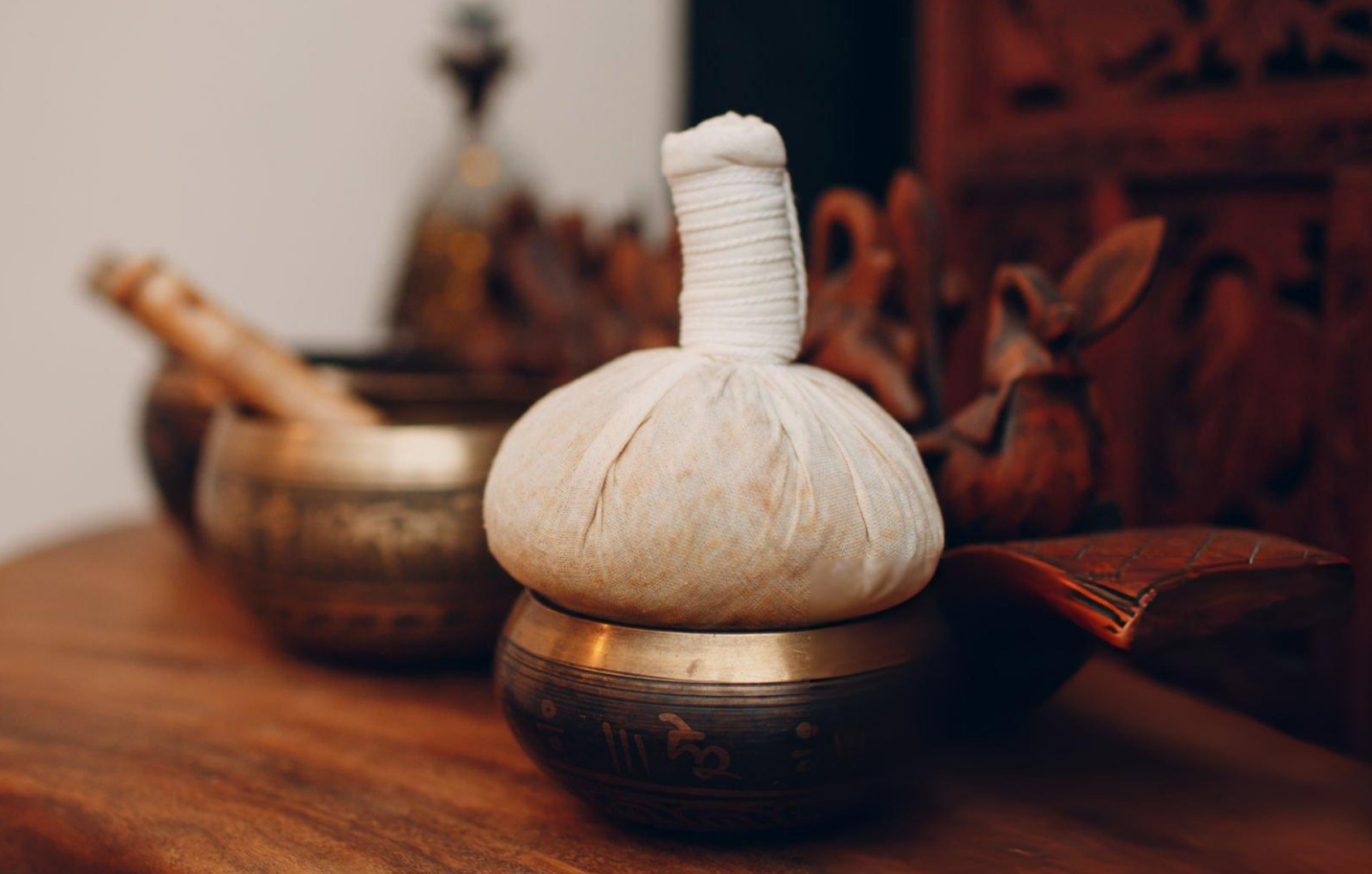
Pinda Sweda (Bolus Fomentation)
A specialised therapy in which heated bundles containing herbal ingredients, sand, rice, or leaves are applied to the affected joints. Pinda Sweda relieves pain, reduces stiffness, improves local circulation, and reduces swelling. Njavarakizhi a particular type of Pinda Sweda using medicated rice boluses is especially valued for its ability to nourish and rebuild damaged joint tissue. In addition to its physical benefits, Pinda Sweda provides a deeply relaxing experience that calms the nervous system and promotes mental well-being. The soothing warmth and medicinal properties of the boluses help relieve stress, improve sleep quality, and restore the body’s natural balance.
Lepana (Herbal Paste Application)
Freshly prepared medicated pastes are applied directly over painful joints. Specific herbs selected for their anti-inflammatory properties penetrate the tissues and provide targeted relief from swelling and pain. At our Ayurvedic center, Lepana is performed using freshly prepared herbal formulations made from authentic Ayurvedic ingredients and classical recipes. Each treatment is customized according to the patient’s health condition, ensuring safe and effective care. Regular Lepana therapy can help manage chronic joint disorders, reduce inflammation naturally, and improve overall comfort and mobility, allowing individuals to enjoy a healthier and more active life.
Panchakarma for Joint Pain
When joint pain is chronic or deeply rooted particularly in cases of Amavata Panchakarma provides a comprehensive approach to healing. The five classical cleansing procedures work to eliminate accumulated Ama and Vata from the body, restoring dosha balance and creating the conditions for genuine tissue repair. Treatments within Panchakarma such as Virechana (therapeutic purgation) and Basti (medicated enema) are particularly effective for joint conditions, as Basti directly pacifies Vata the primary dosha involved in most joint diseases.
Lifestyle Practices for Joint Pain Relief
Gentle yoga — tailored to the individual’s condition keeps joints mobile without strain. Poses such as Tadasana, Virabhadrasana, and gentle hip-openers maintain flexibility and strengthen the muscles that support joint stability.
Warm water therapy — regular baths or foot soaks with added herbs provide daily relief from stiffness, particularly in the morning.
Consistent daily routine — is highly valued in Ayurveda. Going to bed and waking at regular times, eating meals at consistent hours, and maintaining moderate physical activity all help keep Vata in balance.
Stress management — through meditation and pranayama is equally important, as chronic stress is a significant Vata aggravator that worsens inflammatory joint conditions.
Why Kerala is the Best Place for Joint Pain Ayurveda Treatment
Kerala is recognised as the heartland of authentic Ayurveda. The region’s humid climate, abundant medicinal plant resources, and unbroken tradition of classical Ayurvedic practice make it uniquely suited for comprehensive joint pain treatment. Experienced physicians trained in Kerala’s lineage based tradition bring both diagnostic precision and therapeutic depth to every treatment plan.

Frequently Asked Questions
What is the best Ayurvedic treatment for joint pain?
The best Ayurvedic treatment depends on the root cause of the condition. Common treatments include Janu Basti, Abhyanga, Panchakarma therapies, herbal medicines, dietary modifications, and lifestyle changes tailored to the individual’s dosha imbalance.
Can Ayurveda cure chronic joint pain naturally?
Ayurveda focuses on addressing the underlying causes of joint pain rather than simply masking symptoms. Many people experience significant improvement in pain, mobility, and overall joint health through consistent Ayurvedic treatment and lifestyle management.
Which Ayurvedic herbs are effective for joint pain relief?
Popular Ayurvedic herbs for joint pain include Shallaki (Boswellia), Ashwagandha, Guggulu, Nirgundi, and Rasna. These herbs help reduce inflammation, improve mobility, and support joint health naturally.
How does Ayurveda explain joint pain?
According to Ayurveda, joint pain is primarily caused by an imbalance of Vata dosha. In some cases, the accumulation of Ama (toxins) in the body can lead to inflammatory joint conditions such as Amavata.
What is Janu Basti, and how does it help knee pain?
Janu Basti is an Ayurvedic therapy where warm medicated oil is retained over the knee joint for a specific duration. It helps reduce pain, stiffness, inflammation, and supports joint nourishment.
Is Panchakarma beneficial for arthritis and joint disorders?
Yes. Panchakarma helps remove toxins (Ama), balance doshas, and improve overall joint function. Therapies like Basti and Virechana are especially beneficial for arthritis and chronic joint conditions.
Which foods should be avoided for joint pain according to Ayurveda?
Ayurveda recommends avoiding cold, processed, fried, and excessively dry foods. Refined sugar, carbonated drinks, and irregular eating habits may also worsen joint pain and inflammation.
What foods support healthy joints in Ayurveda?
Can Ayurveda help with osteoarthritis?
Yes. Ayurveda offers therapies and herbal treatments that help manage osteoarthritis symptoms, improve joint lubrication, reduce stiffness, and support mobility naturally.
Is Ayurveda safe for elderly patients with joint pain?
When prescribed by a qualified Ayurvedic physician, Ayurvedic treatments are generally safe and can be customized to suit elderly individuals dealing with age-related joint degeneration and stiffness.
Ready to Make a
Our Branches :
Dheemahi Ayurvedic Village, Kumarakom, Kottayam, Kerala, India, Pin 6860000
Dheemahi Ayurvedic Centre, Near Neelimangalam Bridge, Kumaranaloor, Perumbaikad.P.O, Kottayam, Kerala, India, Pin 686016
Head Office:
Dheemahi Ayurvedic Pvt Ltd, 12/386, Varaputhara Road, Kumarakom, Kottayam, Kerala, Pin 686563
Call Us Anytime: +91 80 4717 2727
Best Ayurvedic Diabetes Treatment in Kerala
Best Ayurvedic Obesity Treatment In Kerala
Best PCOD Ayurvedic Treatment in Kerala
Bestes Ayurveda-Zentrum in Kerala (auf Deutsch 🇩🇪)
Ayurvedic Pregnancy Care Treatment in Kerala